

Contact
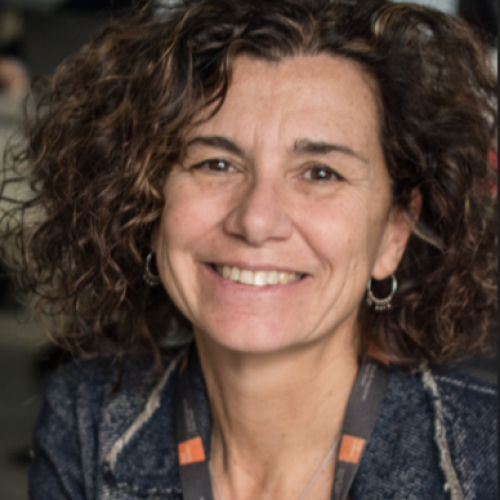
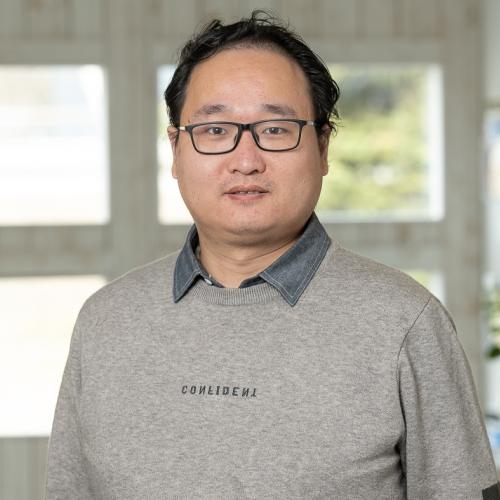
SymbioSteel has produced a series of short, interview-based videos featuring experts and project partners from across Europe. The videos provide concise and accessible insights into industrial symbiosis, highlighting its benefits, practical applications and relevance for the steel industry and other energy-intensive sectors.
Through personal perspectives from industry, research and European networks, the videos also illustrate how knowledge and experience from the project can be shared with a wider audience. Designed for communication and dissemination, the videos combine expert interviews with clear on-screen titles, speaker information and subtitles, making key SymbioSteel concepts and messages easy to understand and share.
Videos
- A SymbioSteel video including project results and interview highlights > Video
- Antonious Shroeder (Technische Universität Dortmund) talks about what it takes to make industrial symbiosis happen and how it can be effectively facilitated. > Video
- Antonious Shroeder (Technische Universität Dortmund) shares his connection to Industrial Symbiosis, highlighting an often overlooked aspect: the importance of the workforce and the people involved in industrial symbiosis projects. Video >
- Kristoffer Lorentsson (Meva Energy) talks about how his organisation could support industrial symbiosis through the provision of locally produced syngas and biochar. > Video
- Kristoffer Lorentsson (Meva Energy) introduces himself and explores how his organisation could fit into Industrial Symbiosis efforts within the steel industry. Video
- Asier Arteaga (SIDENOR steel industry) points to one of the key obstacles: the lack of a collaborative culture adapted to industrial symbiosis. He explains how organisations from different industries are not yet accustomed to the level of close cooperation it requires. > Vieo
- Asier Arteaga (SIDENOR steel industry) explains the benefits of Industrial Symbiosis, and how it can strengthen competitiveness of all stakeholders involved.> Video
- Asier Arteaga (SIDENOR steel industry), sharing how his work connects to industrial symbiosis. Video >
- Valentina Colla (Scuola Superiore Sant'Anna) give a quick introduction to what the SymbioSteel project is all about and how we’re contributing to unlocking further potential of Industrial Symbiosis in the steel industry. Video >
- Valentina Colla (Scuola Superiore Sant'Anna) offering her explanation of what Industrial Symbiosis is. Video >
- Valentina Colla (Scuola Superiore Sant'Anna) underscores how Industrial Symbiosis enables the use of underutilised resources while reducing CO₂ emissions, among many other benefits. Video >
- Valentina Colla (Scuola Superiore Sant'Anna). Meet our project coordinator. Video >.
- Valentina Colla (Scuola Superiore Sant'Anna) our project coordinator brings up unclear regulations and lack of incentives. Rules for classification of residues can hamper valorisation of certain residues. Video >
- Marta Guzzon (Tenova), tells us about her participation in the ESTEP 2025 conference and her personal connection to the topic. Video >
- Marta Guzzon (Tenova) notes that making symbiotic solutions work means navigating regulatory hurdles and fostering closer conversations – between industry actors and regional governments alike. Video >
- Marta Guzzon (Tenova) highlights social and economical benefits from e.g. heat recovery and slag valorisation. Video >
- Elsayed Mousa (Swerim AB) talks about his participation at the ESTAD2025 conference and his connection to Industrial Symbiosis. Within the context of biocarbon and hydrogen utilisation, he emphasises how integration with the renewable energy sector will allow further mitigation of CO2 emissions and resource efficiency in the steel industry. Video >
- Elsayed Mousa (Swerim AB) highlights the valorisation of slag as a strong example of how the steel and cement industry can align around shared benefits while contributing to decarbonisation of cement production. Video >
- Diana Mier Vasalo (Sidenor Aceros Especiales) told us about their involvement in an EU project looking to further valorise EAF slag using CO₂ captured from another industrial sector. Video >
- Klaus Peter (The European Steel Technology Platform (ESTEP)) tells us about his connection to Industrial Symbiosis and ESTEP's support of its development. Video >
- Klaus Peters (The European Steel Technology Platform (ESTEP)) brings up how cross-sector collaboraitons can solve problems difficult to tackle by single companies or even industries. Research in this area is very important to find valuable uses for slag and other residues in the future! Video >
- Joo Hyun Park (한양대학교), talks about how his participation at ESTAD2025 and how his research ties into Industrial Symbiosis. Video >
- Joo Hyun Park (한양대학교) discussed Industrial Symbiosis in the steel sector with us at ESTAD 2025, here his thoughts on challenges to increasing symbiosis. Like several other experts we spoke to, Professor Park highlights slow-moving regulations in the construction sector for valorising slags. Video >
- Jill Sundberg (Swerim AB) shares her participation at ESTAD2025 and how her work connects to Industrial Symbiosis. Video >
- Jill Sundberg (Swerim AB), reflects on a challenge for developing symbiosis – that many actors do not know enough about other sectors’ need and requirement to find the right partners.Jill suggests that research institutes are an important way connecting partners for new symbioses. Video >
Financiers
This project has received funding from the Research Fund for Coal & Steel (RFCS) under Grant Agreement No. 101156509.
